CURRENT
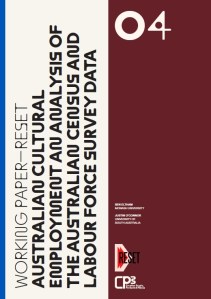
Australian Cultural Employment: An Analysis of the Australian Census and Labour Force Survey Data
Ben Eltham and Justin O’Connor
This report is an analysis of employment in Australian cultural industries, using Australian Bureau of Statistics definitions and census data from 2006-2020. It shows a sector with slow growth relative to other sectors, and increasing indications of a precarious workforce. It shows that Melbourne, Sydney and the Greater Brisbane-Gold Coast have grown fastest, with Adelaide and South Australia losing cultural workforce. Overall cultural employment is overwhelmingly concentrated in the inner core of the capital cities.

Culture is not an industry
Reclaiming art and culture for the common good
Justin O’Connor’s highly anticipated new book argues that art and culture need to renew their social contract and re-align with the radical agenda for a more equitable future. Bold and uncompromising, the book offers a powerful vision for change.
RECENT BOOKS
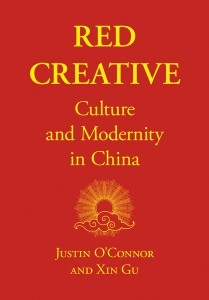
Red Creative: Culture and Modernity in China
Justin O’Connor and Xin Gu
Explores China’s cultural economy over the last twenty years, particularly through the lens of its creative hub of Shanghai. Takes a long-term historical perspective and raises questions about the nature of contemporary creative capitalism and the universal claims of Western modernity, offering new ways of thinking about cultural policy in China.

Making and Breaking, a special edition on Communal Luxury, with an introduction by Justin O’Connor and Sebastian Olma.
Justin’s book Reset is also available in Dutch translation through Starfish Books.
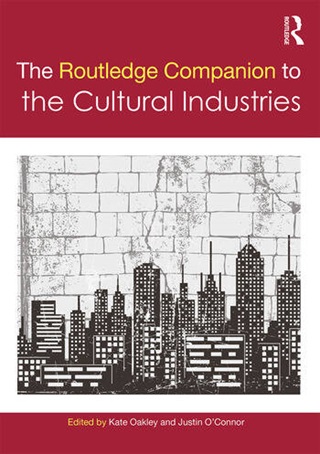
The Routledge Companion to the Cultural Industries is collection of contemporary scholarship that seeks to re-assert the importance of cultural production and consumption against the purely economic imperatives of the ‘creative industries’.

Re-defines what it means to be an Asian creative city. Situates Asian creative cities as sites for political, cultural and social conflicts in the new ‘Asian century’. Explores how Asian cities have rapidly transformed and regenerated themselves.
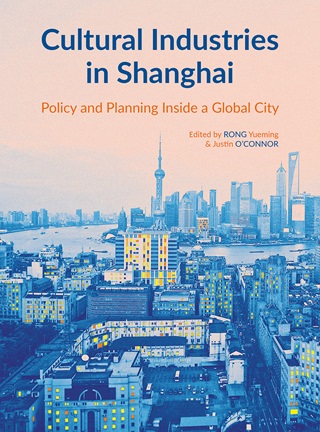
This volume gathers articles by Chinese scholars dealing with developments in Shanghai’s cultural industries over the past thirty years. Like many cities in China and elsewhere, Shanghai has explicitly stated that fostering the creative economy is its top economic and political priority over the next decade.

Delves into Australia-China relationship. Is also an attempt to explore the ways by which the two countries can reach some common ground for the future.
 Justin O'Connor